
As the summer heat subsides and autumn sets in (October), this is the final stage of adult life for many insects, and it is a season when very interesting behavior can be observed.
We have summarized the points to pay attention to when observing each insect.
The world of insects that we normally observe without paying much attention to will begin to look at us in a deeper and more interesting light. When observing, be sure to handle the insects gently so as not to stress them, and release them back to their original location once you’ve finished observing.
Migratory grasshopper
This large grasshopper is also known as the king of grasshoppers and is often found in open grasslands.
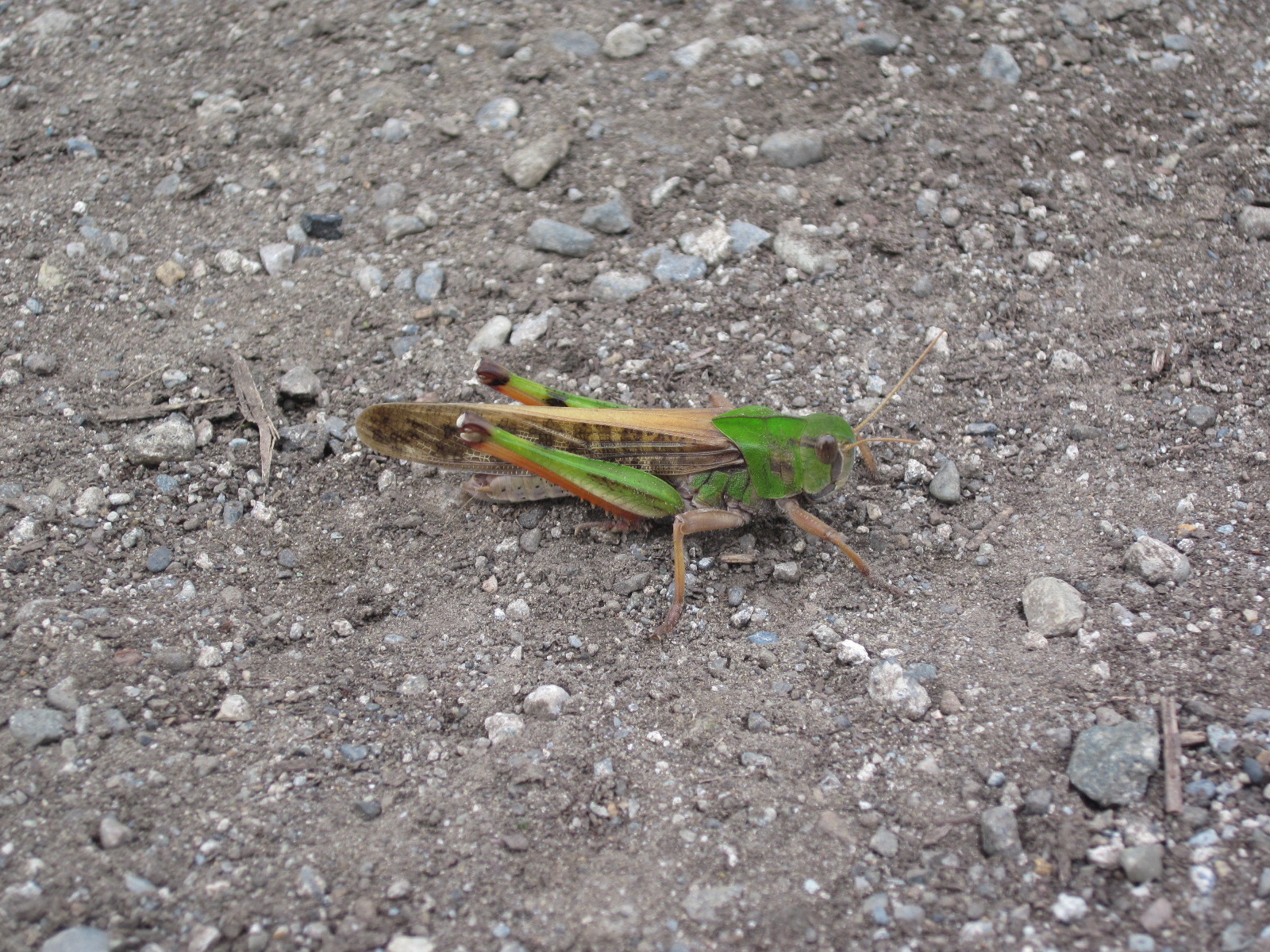
Pay attention to the color of the body!
Even when caught in the same place, some are bright green and others are brown, similar to the color of the ground. This is said to depend on the humidity and density of the environment in which they grow. Let’s compare which color individuals are most prevalent.
Incredible jumping and flying ability
When you get close, they will make a big jump with their powerful hind legs, then spread their wings and fly long distances. Listen carefully to the sound of their wings as they fly; they sometimes make a “chichi-chi” sound.
Male and female size comparison
Females are characterized by being slightly larger than males. If you manage to catch one, you can also tell them apart by the shape of their rear end (females have an ovipositor and a split end).
Autumn darter
This is a representative example of the red dragonfly. Now is the peak time to see them.
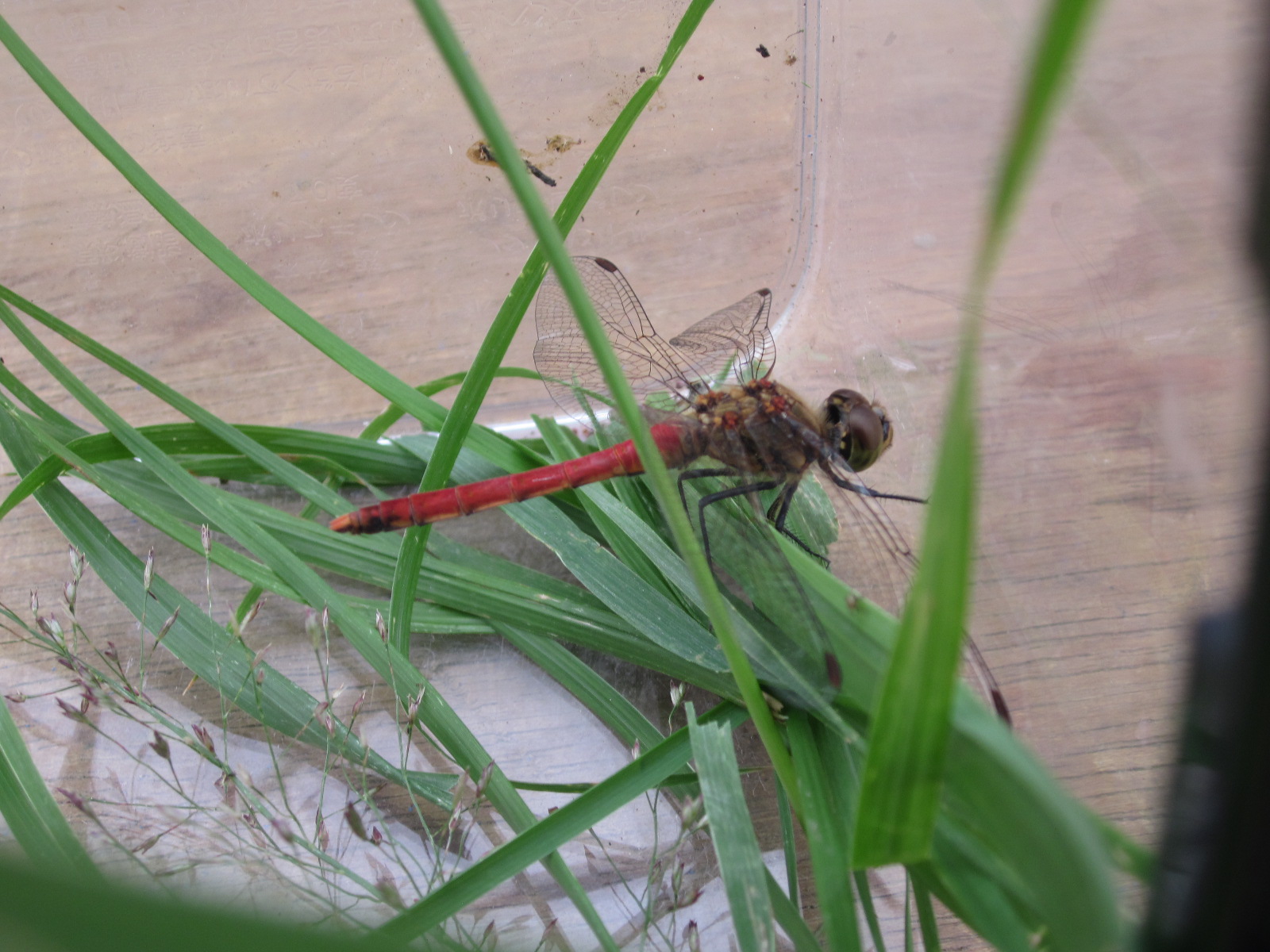
Observe changes in body color
Mature males are completely red, while females are yellowish. It’s interesting to think about why the colors of males and females are different.
Pay attention to the spawning behavior!
Males and females can be seen flying linked together around rice paddies and ponds. This is spawning behavior. The female taps the tip of her belly against the water surface to lay her eggs , a behavior that is characteristic of the autumn darter.
Where will it stop?
They are friendly and have a habit of perching in high places, such as on the tips of people’s fingers or the ends of poles. If you wait patiently, they might even land on your finger.
Field cricket
This is a large cricket that produces a beautiful sound on autumn nights.
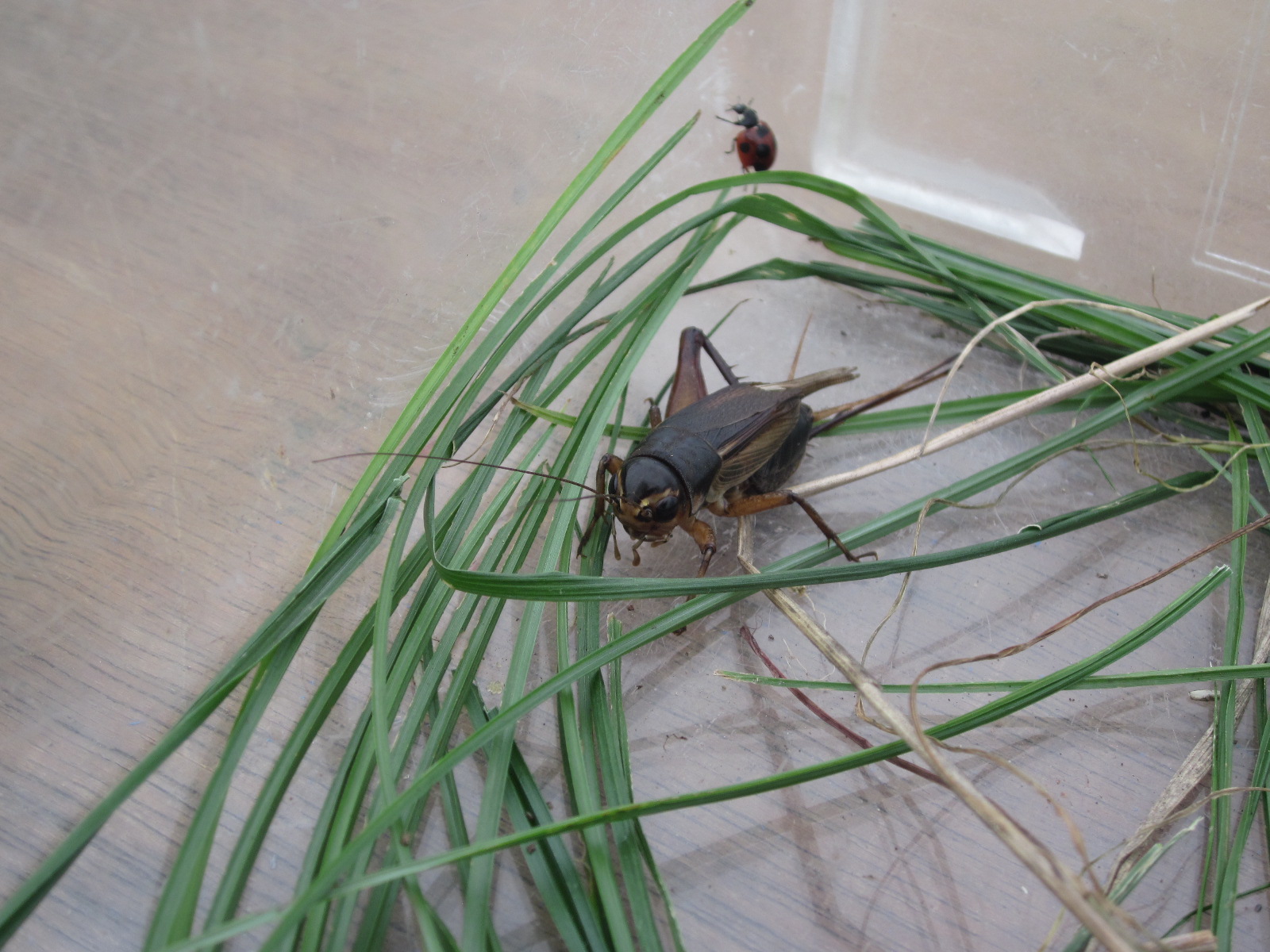
Distinguishing between “crying sounds”
Males rub their wings together to make noise. There are actually different types of calls.
The sound they make when claiming territory: “Korokorokorori” (a sound you often hear in everyday life)
Call to attract females: “Rick, rick, rick, roll.”
The sound of males fighting: “Kiririr!”
Listen carefully in a park at night and try to imagine what kind of situation they are in when they make that sound.
Male territorial disputes (fights)
When males meet, they may probe each other with their antennae and then violently clash, a serious fight to protect their territory.
Seven-spotted Ladybird
This is the most familiar ladybug, said to bring happiness.
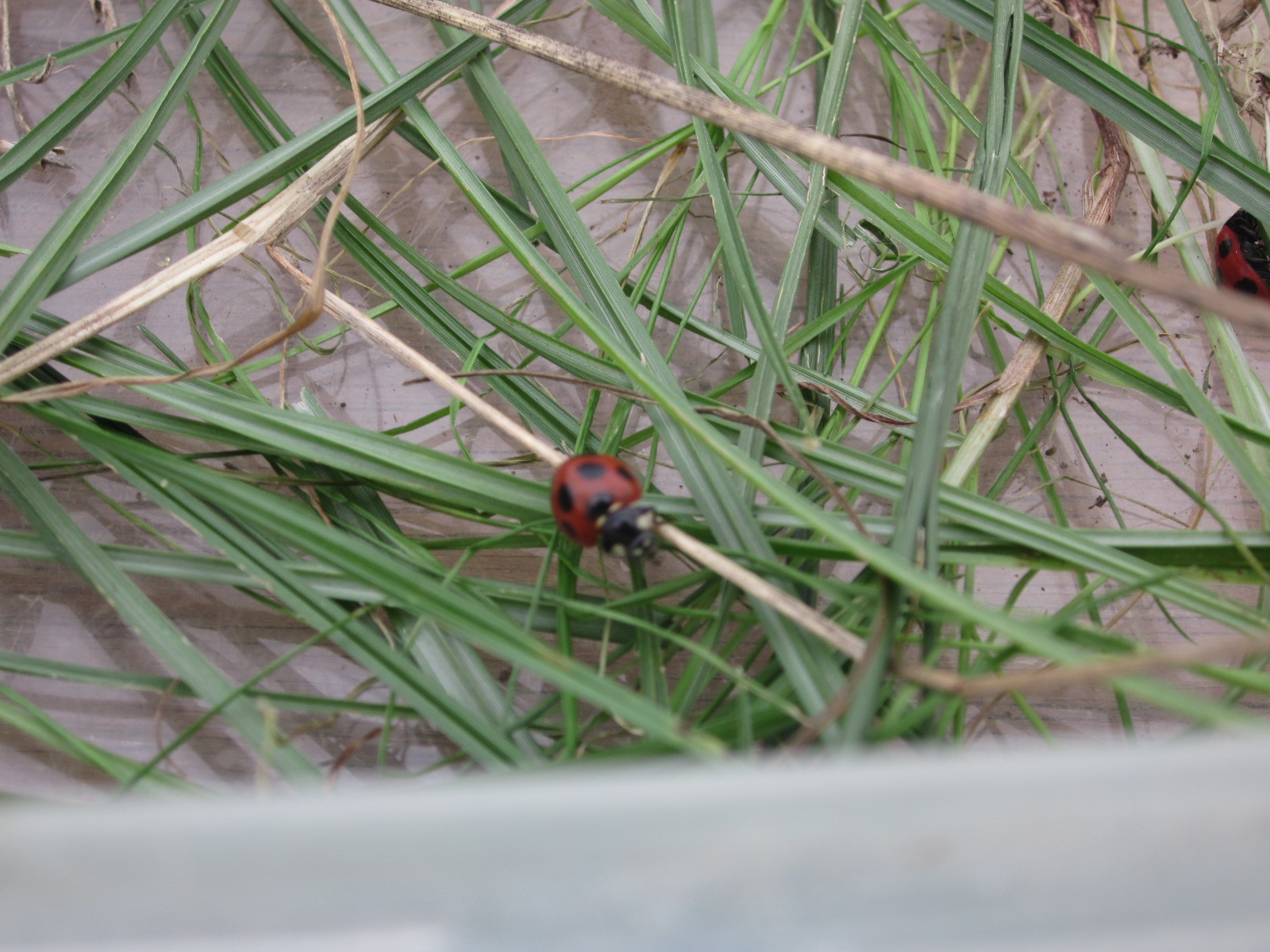
Let’s find out where you are
The seven-spotted ladybug’s favorite food is aphids. If you look for plants with lots of aphids (cruciferous vegetables, mugwort, roses, etc.), you’re likely to find larvae and adults.
Defensive techniques in a pinch
When they sense danger, they secrete a yellow, bitter fluid (hemolymph) from the joints of their legs to protect themselves from predators such as birds.
Preparation for wintering
As autumn deepens, they search for warm places to hibernate (overwinter) in groups. You may see many Seven Spot Ladybugs motionless in the gaps between buildings or under dead leaves.
Water bug
Morning bugs are very delicate and beautiful insects that can be found on the leaves of grass.
The season for observing morning bugs ends around mid-October.
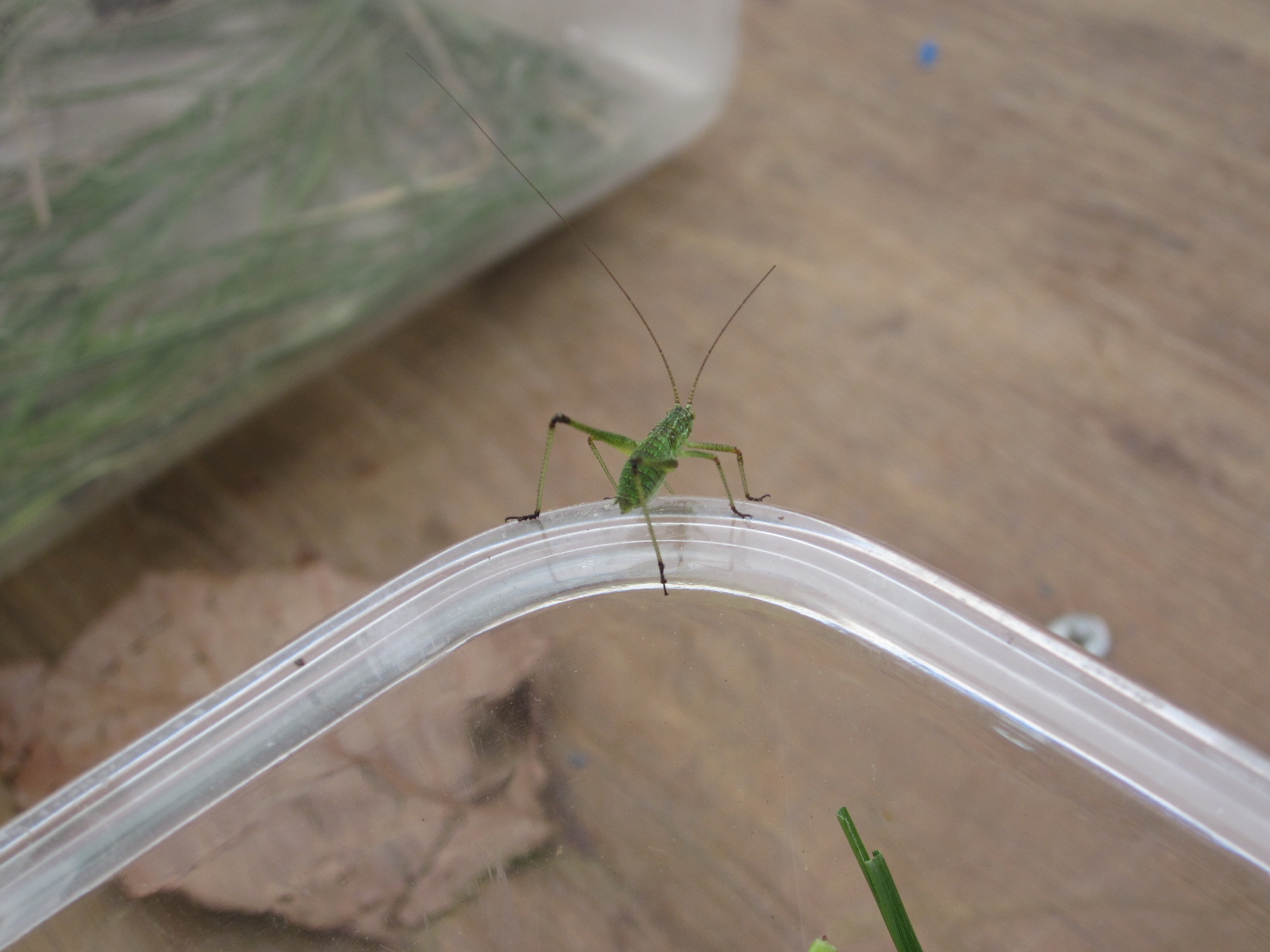
A master of leaf-like mimicry
The leafworm looks just like a plant leaf.
Where are they hiding? They often hide by pressing their bodies tightly against the undersides of leaves or stems of vines such as kudzu and Chinese knotweed. When they are on the leaves, their green bodies are completely indistinguishable. If you shake the leaf thinking “this is where they must be,” they may come out in a panic.
Body shape and wing pattern: It has a long, slender body and translucent wings with veins that resemble leaf veins. Let’s take a closer look at how it manages to resemble a leaf.
Movement of “antennae” that are much longer than the body
The charming feature of the morning glider is its extremely long antennae, which are more than twice the length of its body.
What are they doing? They move their long antennae back and forth to explore their surroundings, searching for predators, finding edible leaves, and more, just like detectives. Even when they walk, their antennae move first.
“Male” and “female” can be distinguished by the tip of the tail
If you manage to catch one, take a look at the tip of its tail.
Females: They have a long, flat, sword-shaped ovipositor , which they use to drill holes in plant stems and lay eggs.
Male: No ovipositor, and the tip of the buttocks is clean.
A small concert at night (crying)
Male morning crickets chirp at night, but their voice is very quiet.
What does it sound like? It chirps continuously in a thin voice, like a small electrical short circuit: “ji ji ji ji…” It’s not as loud as an emperor cricket, so you’ll need to listen carefully to find it.
Long-legged grasshopper
As the Japanese name “Onbu Batta” meaning “carry on back” suggests, it is characterized by the appearance of a small male riding on a large female.
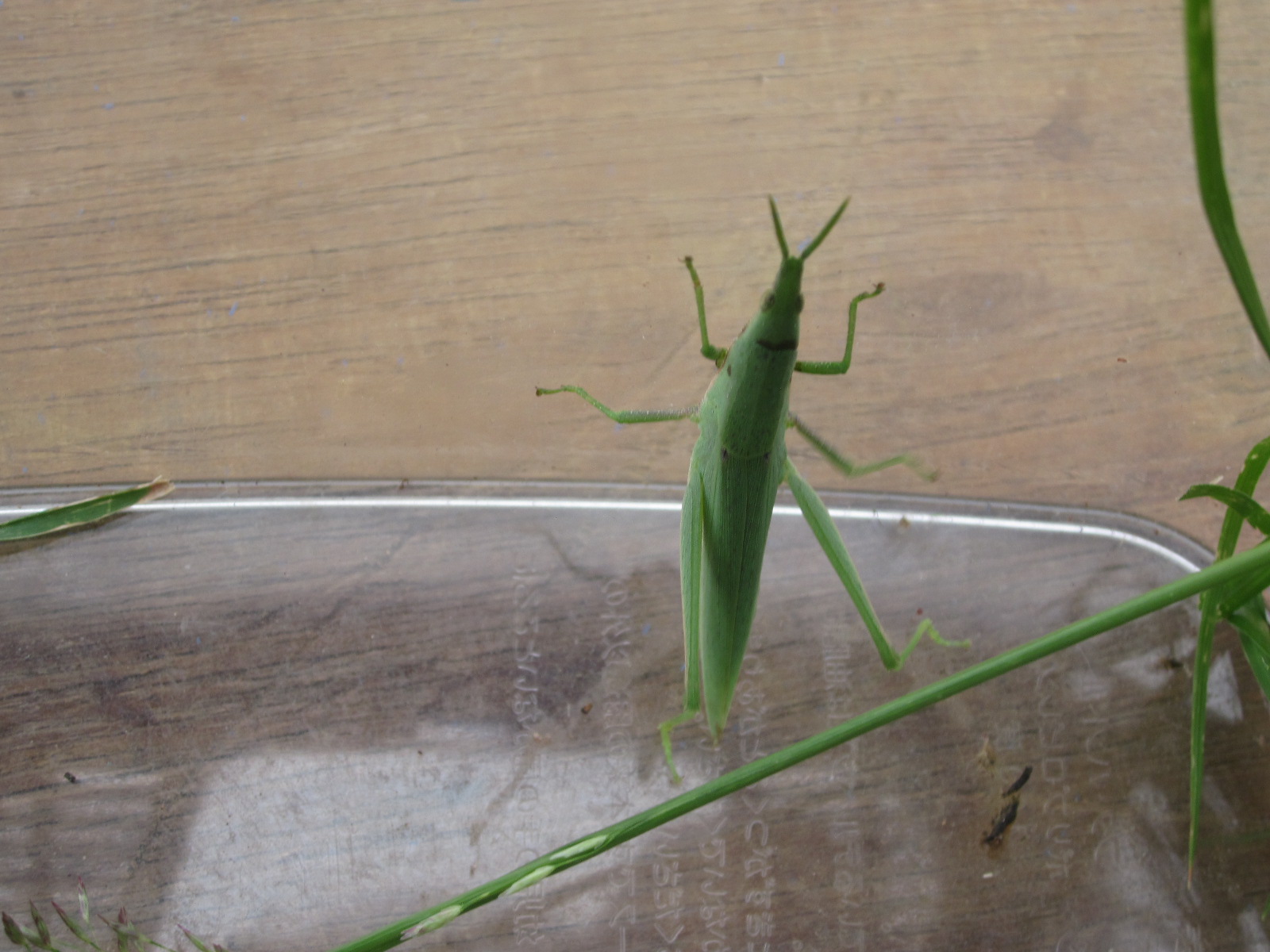
Why are they carrying you on their backs?
This is a behavior that the male uses to secure a mate and prevent other males from stealing the female. The female continues to eat and move around, but the male continues to ride on his back. It is not uncommon for him to carry the female on his back all day.
Focus on edible plants
Long-legged grasshoppers prefer to eat plants in the Asteraceae and Lamiaceae families. They are easy to find by looking for chrysanthemums in the park or perilla leaves in the garden. Traces of leaves being eaten can also be a clue.
Flightless grasshopper
Unlike the migratory locust, the long-legged grasshopper has short, degenerate wings and cannot fly. All movement is by jumping.
European honeybee
These bees live in a social environment and collect nectar and pollen from flowers.
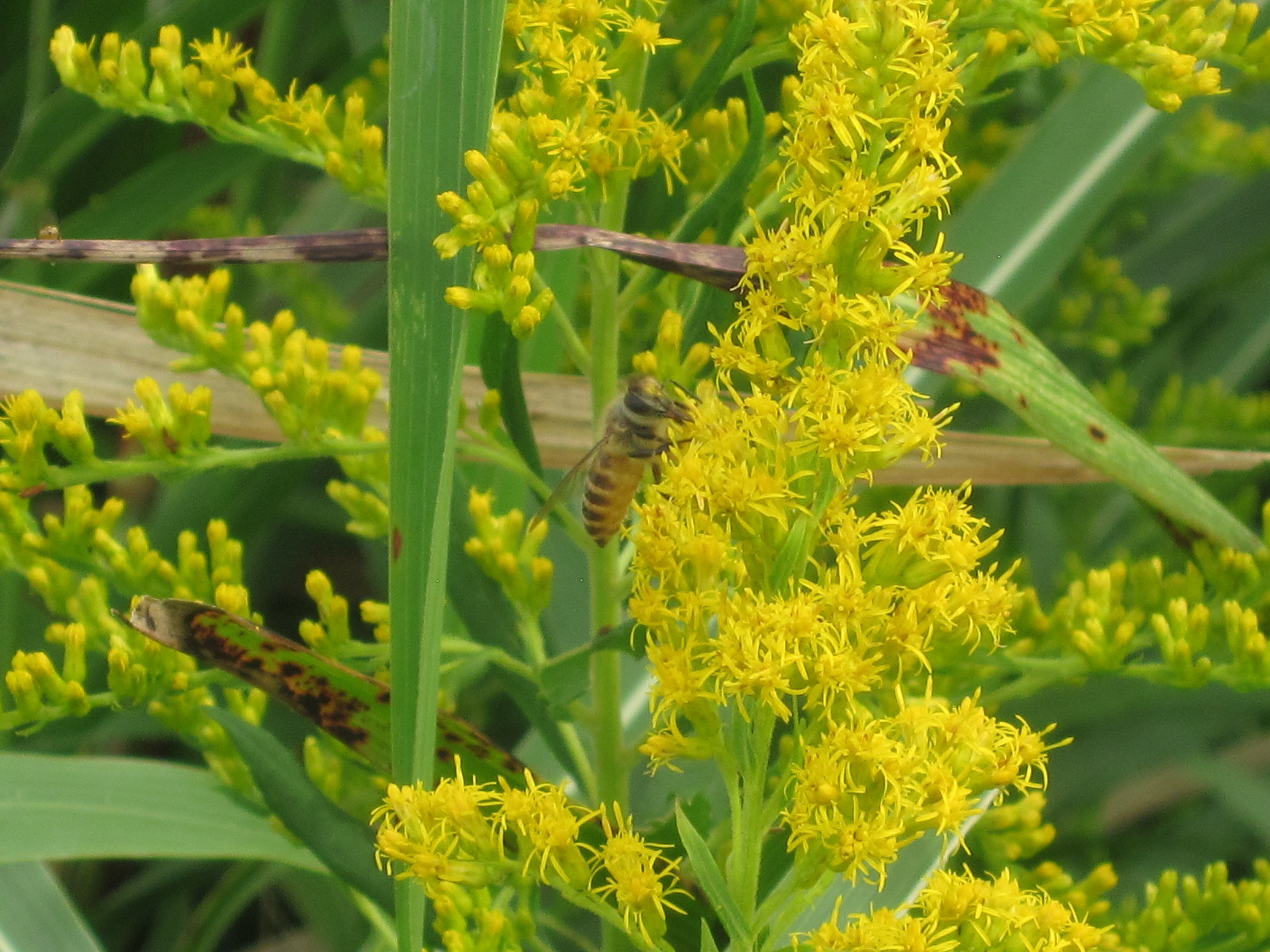
“Pollen balls” on the legs
Pay attention to their hind legs. They may have
round yellow or orange lumps (pollen balls) attached to them. These are used to carry the collected pollen back to the nest. Try to observe what color pollen they are collecting.
What kind of flowers do you like?
They visit flowers that bloom in autumn (cosmos, goldenrod, etc.) A single bee has the habit of visiting the same type of flower in turn to collect nectar and pollen.
Communication with colleagues
It is known that within the nest, they perform a “dance” to inform their fellow insects of the location of nectar sources. Although it is difficult to observe this in the wild, let us try to imagine a glimpse of the sophisticated communication that occurs among social insects.
Giant longhornet
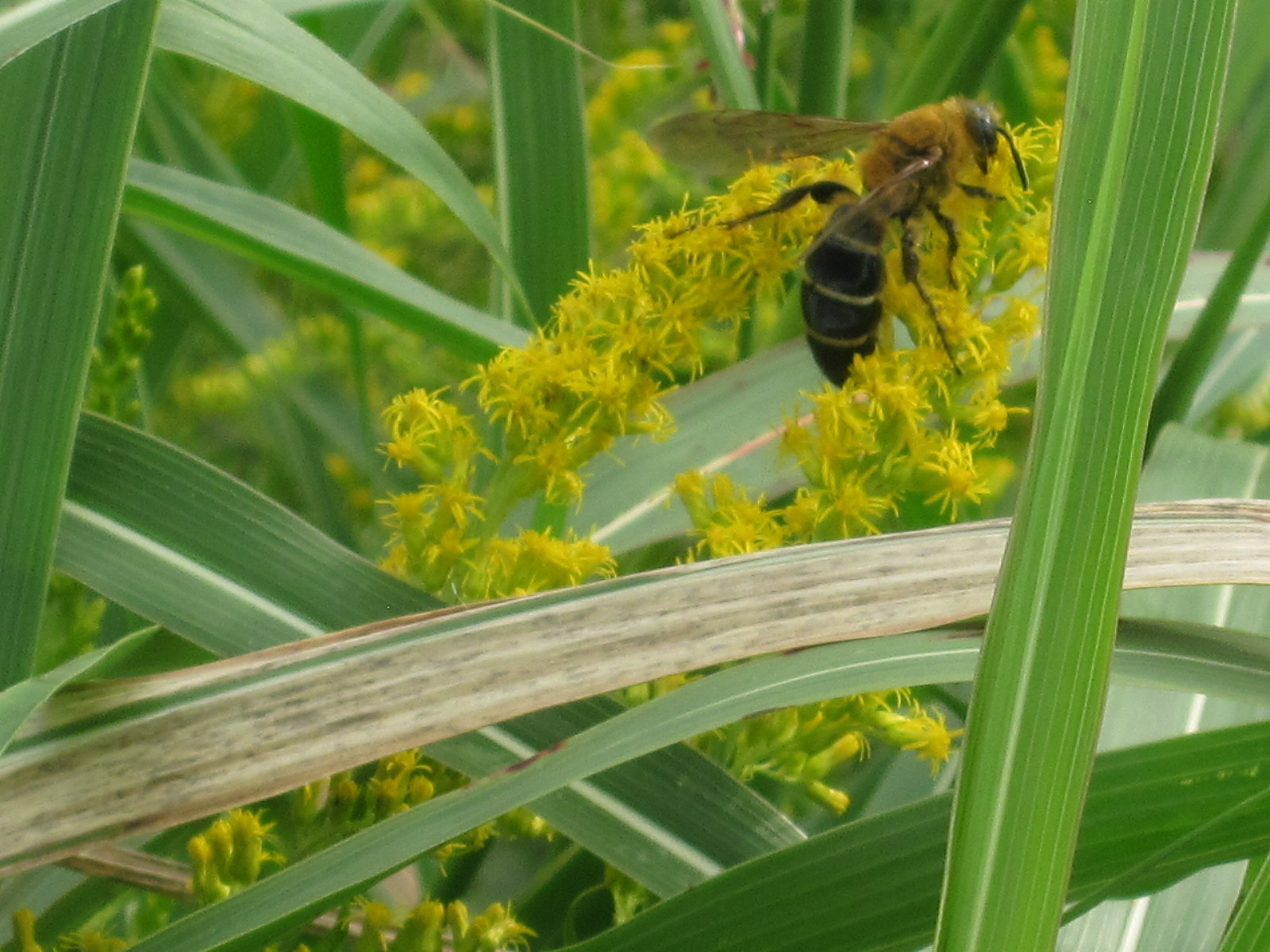
This black, hairy wasp is often seen in autumn and lives solitary lives.
Males and females behave completely differently!
This is the most interesting aspect of observing these bees.
Males: In sunny places, several dozen males gather in groups and fly around in circles (commonly known as “manji flight”) in search of females.
Female: They don’t fly, but walk around busily on the ground. This is because they are searching for scarab beetle larvae in the soil. When the female finds a larva, she anesthetizes it and lays eggs on it.
He looks scary, but has a gentle personality
Like bumblebees, they are very docile bees despite their intimidating appearance. They will not sting you unless you harm them, so you can observe them without worry.